
Ways to Incorporate Wood Accents Into Your Modern Home
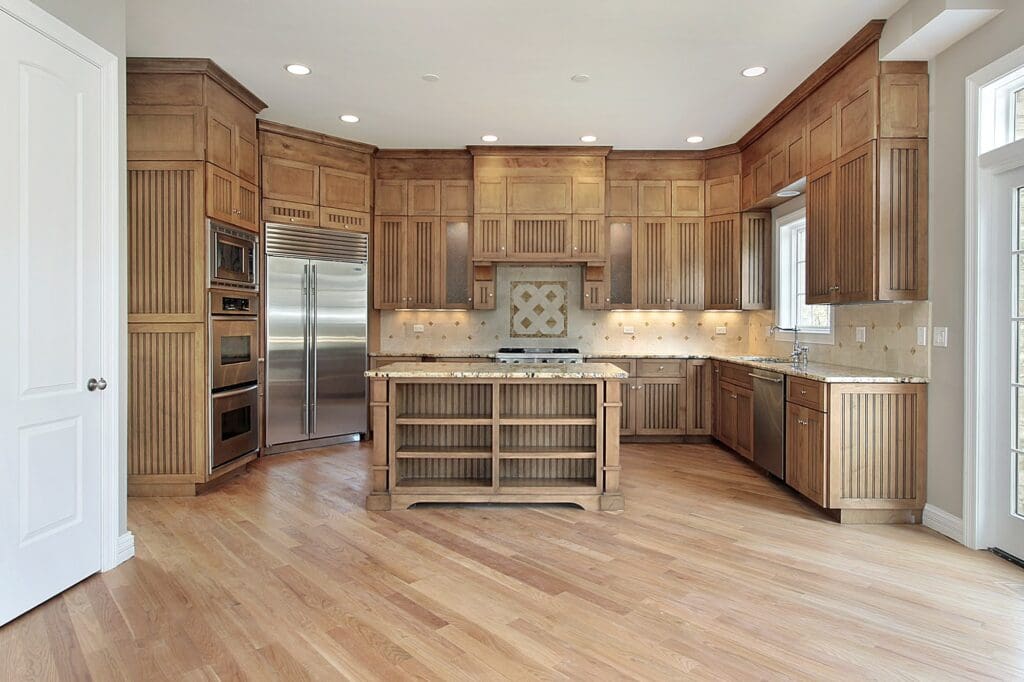
There’s something undeniably grounding about wood. In a world increasingly dominated by glass, metal, plastic, and other synthetic materials, natural wood has quietly held its place as one of the most timeless and versatile elements in interior design. In any environment, wood accents have a unique ability to add warmth, texture, color, and character without overwhelming a space.
The good news? You don’t need to do a full renovation to feel the difference. Wood accents can be introduced thoughtfully and in ways that feel entirely your own. Here’s a comprehensive guide to doing it right.
Why Wood Accents Work in Modern Interiors
Modern interior design tends to favor clean lines, neutral palettes, smooth textures, and minimalist aesthetics. At first glance, wood (with its natural grain, color variation, rough texture, and organic imperfection) might seem at odds with that sensibility. In practice, it’s the opposite.
Wood introduces what designers call “organic warmth.” It softens the sometimes cold or sterile feeling that can accompany all-white rooms and polished concrete floors. It brings in a natural contrast that makes other materials look more intentional and curated.
More importantly, wood is adaptable. Light-toned wood varieties like ash or maple give rooms an airy, Scandinavian feel. Darker woods such as walnut or mahogany add richness and depth. Mid-tone options like oak sit comfortably in the middle, pairing well with virtually any color palette. Due to the variety of wood types, there’s a wood tone that fits any space.
Start With the Floors
If you’re open to a bigger investment, wood flooring is one of the most impactful changes you can make. Hardwood floors change the entire energy of a room by creating continuity and complementing almost any furniture style. For a modern home, wide-plank floors in a matte or satin finish tend to feel more current than narrow, high-gloss alternatives, and natural finishes that allow the grain to show through are particularly popular, as they let the wood speak for itself rather than hiding its character under heavy coating.
If full hardwood isn’t in the budget, engineered wood floors offer a similar aesthetic at a lower price point, with added resilience in areas prone to humidity or temperature changes.
Bring in Wooden Furniture
Furniture is one of the easiest and most flexible ways to introduce wood into a space. A solid wood dining table, for example, becomes the heart of a room, a gathering point that invites people to slow down and connect. Even a single piece, like a wood coffee table or sideboard, can anchor a room and give it a more grounded, intentional feel.
When mixing wood with other materials, look for pieces that pair natural grain with metal legs, stone tops, or upholstered elements. These combinations feel very much at home in modern interiors, where the interplay between materials is part of the design language. Don’t feel like everything needs to match. Mixing wood tones (a walnut dining table with lighter oak chairs, for example) adds visual interest and feels more collected over time rather than assembled all at once.
Add Wood to Your Walls
Wall treatments are where wood accents can get creative. Shiplap paneling, board and batten, wood slat walls, and other styles have all grown in popularity in recent years, and for good reason: they add architectural depth to what might otherwise be a flat, featureless surface.
A single accent wall in a living room or bedroom is often enough. It creates a focal point without overwhelming the rest of the space. Natural wood tones work beautifully here, as do painted or stained finishes if you want the texture without the warmth.
For something more subtle, consider wood-framed mirrors or wall shelves. These bring the material in at a smaller scale while still contributing to the overall feel of the room. Open wood shelving in a kitchen, for instance, can transform the entire personality of the space, making it feel more welcoming and personal.
Ceilings and Beams
Ceilings are an often-underutilized design opportunity. Exposed wood beams (whether structural or decorative) instantly elevate a room, lending it a sense of craftsmanship and history that few other elements can replicate. In modern homes, beams don’t have to be rustic or heavy. Slim, clean-lined beams in a lighter wood tone can complement a contemporary aesthetic beautifully. They draw the eye upward, making rooms feel taller, and add a layer of visual interest that wallpaper or paint simply can’t match.
Wood ceiling panels (either in natural plank form or as coffered sections) serve a similar purpose. They can be especially effective in dining rooms and bedrooms, where the intimacy of a well-designed ceiling adds to the overall sense of comfort.
Don’t Overlook the Details
Trim work might not be the most glamorous element of interior design, but it’s often what separates a polished, finished space from one that feels incomplete. Wood baseboards, door casings, crown molding, and window trim all contribute to the overall cohesion of a room. If your home already has wood trim, consider whether it’s stained or left natural. Each approach reads very differently. Natural or stained wood trim tends to add warmth and traditional character, while painted white trim feels cleaner and more contemporary. Either way, the presence of real wood trim adds a craftsmanship element that hollow plastic alternatives simply can’t replicate.
Upgrade the Overlooked
HVAC return air vents are everywhere in a home: on walls, floors, and ceilings. And in most cases, they’re covered by the same flimsy stamped-metal grilles that came with the house. They clash with hardwood floors, stick out against painted walls, and generally draw attention to themselves in the worst way.
Swapping out standard metal covers for wooden vent grilles is a small change with a surprisingly big impact. Well-crafted wooden vent grilles blend seamlessly into wood floors and add a layer of thoughtfulness that visitors notice even if they can’t quite put their finger on why the space feels so refined.
Quality wooden vent grilles can be painted or stained to match your existing décor. They arrive pre-assembled and ready to customize, making installation straightforward, no contractor required. And unlike the flimsy metal alternatives, wood grilles feel solid and substantial, the kind of thing that signals care and attention to detail.
If you’re already making the effort to add wood accents throughout your home, it makes sense to carry that intention all the way through, right down to the vents.
WoodAirGrille.com specializes in handcrafted wood return air grilles built to order in the U.S., with free shipping and a satisfaction guarantee. If you’re ready to replace the one detail most people forget, it’s worth a look.
Incorporate Wood in the Kitchen
The kitchen is one of the most-used rooms in any home, and it’s also one where wood accents can have the most impact. Open wood shelving, a butcher block island, wood cabinet faces, or even wood-handled hardware can shift a kitchen from purely functional to genuinely beautiful.
Butcher block countertops in particular have made a strong comeback. They add warmth to kitchens that might otherwise feel sterile, and with proper care, they develop a patina over time that makes them feel more personal. They also pair beautifully with other countertop materials. A stone section near the range and butcher block near the sink, for example, give a kitchen both functionality and visual interest.
If a full kitchen overhaul isn’t on the table, small wood accessories, a cutting board left out on the counter, a wood utensil holder, or a wooden fruit bowl can still move the needle. Small touches, consistently applied, create a cohesive feel.
Use Wood Outdoors to Extend the Interior Feeling
Modern design increasingly blurs the boundary between indoor and outdoor spaces, and wood plays a big role in that transition. A wood deck or outdoor dining set extends the warmth and natural feel of your interior into the yard or patio.
Teak and cedar are popular outdoor choices because of their natural resistance to moisture and weathering. Left unsealed, they fade to a silvery-gray tone over time that many people find beautiful in its own right. Sealed or oiled, they hold their original warmth and color.
The continuity between indoor wood elements and outdoor wood surfaces makes a home feel intentionally designed throughout.
Final Thoughts
Incorporating wood into a modern home is about adding depth and character to spaces that might otherwise feel flat or impersonal. The beauty of working with wood is that you can go as big or as small as you like. A single piece of wood furniture, a wall of shiplap, a set of wooden intake vent grilles, and a wooden floor are each a step in the same direction.
What makes wood such a satisfying material to work with is that it rewards patience. Unlike a fresh coat of paint or a new throw pillow, wood accents tend to deepen and improve with time. Floors develop a patina. Furniture takes on the marks of daily life in ways that feel meaningful rather than worn. Even smaller details carry a quiet sense of craft that synthetic materials simply can’t replicate.
It’s also worth remembering that good design doesn’t have to happen all at once. Some of the most beautifully designed homes are the result of years of thoughtful, gradual decisions. There’s no pressure to transform everything overnight. In fact, a space that evolves slowly tends to feel more authentic and personal.
So if you’re interested in learning more about wood, contact our team.
FAQ
Do wood accents work with contemporary or minimalist design styles?
Yes, in fact, wood often makes minimalist spaces feel more intentional. In a room with few decorative objects, every material choice carries more weight. A single wood element, like a walnut bench or a wood-slat feature wall, becomes a quiet focal point rather than competing with other décor.
What’s the best way to mix different wood tones in one space?
The key is to vary the tones meaningfully rather than landing on options that are too similar but not quite the same. A deep walnut coffee table paired with lighter oak flooring, for instance, creates clear contrast that feels deliberate. Mixing woods of similar tone but different grain patterns can feel more accidental, so either vary the tone clearly or keep everything consistent.
How do I maintain wood accents over time?
Most wood surfaces benefit from periodic cleaning with a mild, non-abrasive cleaner and occasional conditioning with a wood-safe oil or wax. Avoid excess moisture and direct sunlight where possible, as both can dry out or discolor natural wood over time. Beyond that, many wood accents only get better with age, developing a character that brand-new materials simply can’t replicate.
Is real wood always better than engineered or faux wood alternatives?
Not necessarily. Engineered wood products have improved dramatically. For surfaces like flooring, engineered options can be indistinguishable from solid wood at a glance. Where possible, prioritize real wood for prominent, tactile elements like furniture surfaces and trim and consider engineered options for large-format applications where stability and budget are concerns.
Can I add wood accents to a rental without making permanent changes?
Absolutely. Furniture, decorative objects, removable wall panels, and accessories are all renter-friendly ways to bring in wood. Even swapping out standard vent covers for wooden alternatives is typically a non-destructive change; you simply keep the originals and reinstall them when you move.